Description
Overview
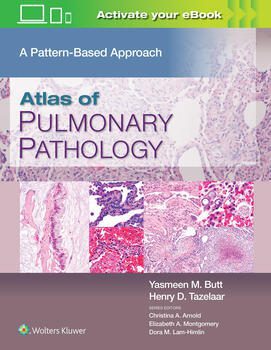
Atlas of Pulmonary Pathology: A Pattern Based Approach serves as a comprehensive, visually rich guide designed to assist pathologists in the accurate diagnosis of pulmonary diseases. The book mirrors the daily workflow of pathology sign-out, utilizing a proven pattern-based methodology to help interpret complex lung biopsy cases by identifying critical clinical and microscopic clues. This approach aims to streamline diagnostic accuracy and enhance practical understanding across a wide spectrum of pulmonary pathology.
This atlas features over 1,600 high-quality photomicrographs, showcasing the subtle morphological spectrum found in both neoplastic and non-neoplastic lung diseases. It functions as an ideal scope-side reference equipped with clinical insights, educational pearls, and practical tools to optimize case analysis and reporting efficiency.
Key Topics Covered
The book presents a wide range of topics crucial to pulmonary pathology diagnosis and reporting. Its structure promotes a thorough understanding of clinicopathologic correlations, molecular testing incorporation, and nuanced morphologic patterns important in lung pathology.
- Extensive coverage of neoplastic and non-neoplastic pulmonary biopsy patterns with detailed photomicrographs and diagnostic callouts
- Tables summarizing salient clinicopathologic features, management strategies, and therapeutic considerations
- Guidance on the application of molecular diagnostics to aid in diagnosis and treatment planning
- Checklists and sample notes to standardize pathology reporting and ensure completeness
- Visual aids including endoscopic images, gross specimens, and medical illustrations to enhance understanding
- Concise reviews of normal lung histology to serve as a baseline for detecting abnormalities
- Sections highlighting practical insights such as “Pearls and Pitfalls,” “Near Misses,” and “Frequently Asked Questions” based on real-life sign-out experiences
- A comprehensive quiz providing board-style teaching cases for exam preparation and self-assessment
Who This Book Is For
This atlas is an essential resource for practicing pathologists, pulmonary pathology fellows, pathology residents, and clinicians involved in lung disease diagnosis. It is particularly suited for those seeking a practical, pattern-based approach to interpret lung specimens accurately.
Its detailed illustrations and user-friendly format also make it a valuable teaching tool for educators and trainees wanting to deepen their understanding of pulmonary pathology.
- Pathologists requiring a reliable scope-side guide for pulmonary biopsies
- Fellows and residents specializing in pulmonary pathology or general surgical pathology
- Clinicians and pulmonologists interested in pathology-report interpretation
- Medical educators and students aiming for an in-depth visual and practical pathology reference
Why Add This Book To Your Library
This atlas stands out for its blend of detailed visual documentation and practical diagnostic strategies tailored to real-world pathology practice. Its pattern-based method facilitates rapid, accurate interpretation while integrating critical clinical information, making it a dependable source for everyday use.
The inclusion of practical tools such as checklists, sample notes, and molecular testing guidance helps improve reporting quality and communication with clinicians. Additionally, its educational features and comprehensive quiz support ongoing learning and professional development.
- Over 1,600 expertly captioned images providing a visual spectrum of pulmonary pathology
- Practical diagnostic aids improving case sign-out efficiency and accuracy
- Educational sections offering insights from actual practice and common diagnostic challenges
- Formats compatible with multiple devices and options to convert content into audiobook format for flexible learning
Access & Format
This book is accessible as an eBook compatible with various digital devices including computers, tablets, and smartphones. This flexibility allows users to read directly on their preferred platforms, facilitating convenient reference during clinical or educational activities.
Users can also convert the eBook content to audiobook format using natural language text-to-speech technology, which enhances accessibility and provides an alternative mode of engagement with the material.