Description
Overview
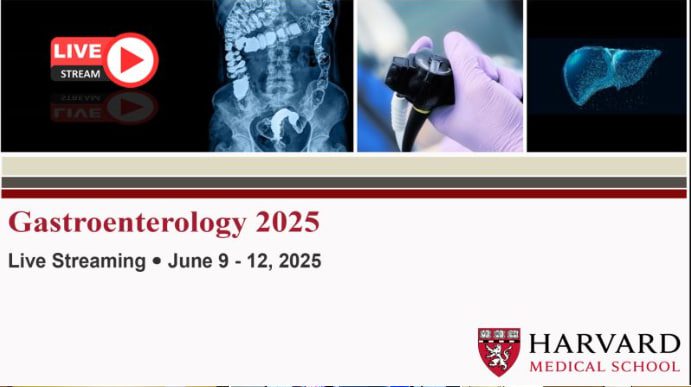
Harvard Gastroenterology 2025 provides an in-depth, comprehensive update on current gastroenterology practices and recent advances. This program includes expert-led presentations on practical and evidence-based strategies addressing a wide range of GI disorders and therapeutic approaches relevant to clinical practice.
On-demand gastroenterology education — accessible anytime, anywhere.
Agenda
This course delivers state-of-the-art content through focused lectures and updates on clinically relevant topics in gastroenterology, emphasizing the implementation of new guidelines and emerging therapies.
- The newest guidelines for the use of biologics in inflammatory bowel disease (IBD)
- Therapeutic drug monitoring in IBD treatment
- Management of the older adult with IBD
- Updated guidelines for treatment of Clostridioides difficile infection
- Managing gastrointestinal complications of immunotherapy and anti-neoplastic therapies
- Improved management of irritable bowel syndrome (IBS)
- Tips for managing fecal incontinence
- Management of refractory gastroesophageal reflux disease (GERD)
- Expanded genetic testing options to diagnose hereditary GI cancer syndromes
- Updated treatment protocols for hepatitis B virus (HBV) and hepatitis C virus (HCV)
- Management of steatotic liver disease in 2025
- Approaches to diagnosis and management of cirrhosis
- Strategies to improve adenoma detection rate (ADR) during colonoscopy
- Steps to ensure delivery of high-quality colonoscopic care
- Techniques to effectively control acute gastrointestinal bleeding
- Endoscopic management of obesity
- Indications for fecal microbiota transplantation (FMT)
- New strategies for treating common GI problems
- A comprehensive update of national gastroenterology guidelines
The program also includes detailed coverage of evidence-based recommendations related to:
- Inflammatory bowel disease (IBD)
- GI complications of immunotherapy
- Microscopic colitis
- Steatotic liver disease
- Barrett’s esophagus
- Eosinophilic esophagitis
- Clostridioides difficile colitis
- Alcohol-related liver disease
- Autoimmune hepatitis
- Irritable bowel syndrome (IBS)
- Refractory GERD
- Acute pancreatitis
- Chronic pancreatitis
- Celiac disease
- Gastrointestinal bleeding
- High risk for colorectal cancer
The latest advances in biological therapies, therapeutic drug monitoring, microbiome science, AI-based adenoma detection, and endoscopic obesity management are also addressed.
Speakers
This program features presentations from nationally recognized gastroenterology experts and master clinicians with extensive experience in clinical practice and research. The expert faculty provide guidance on integrating current evidence into patient care.
Target Audience
This course is intended for gastroenterologists, hepatologists, internal medicine physicians, advanced practice providers, and other healthcare professionals seeking to update their knowledge and clinical skills in gastroenterology and hepatology.
Why This Topic Matters
Harvard Gastroenterology 2025 delivers comprehensive updates essential for maintaining expertise in the dynamic field of gastroenterology. This program supports specialists in staying current with evolving guidelines, diagnostics, and therapeutic options that directly impact patient care.
Presented on MedHub Central, this educational resource enhances clinical competence by providing evidence-based insights and practical recommendations tailored to gastroenterology. It helps clinicians integrate innovations and best practices into their daily work.